Why Premium Honey Oil Is Redefining Cannabis Concentrates
If you have spent any time around cannabis concentrates in the past few years, you have probably noticed a quiet shift. Solvents are falling out of favor. Cleaner methods are taking over. And right in the middle of that change sits a product that more and more experienced users are reaching for: premium honey oil. It is not just a marketing label. It represents a specific approach to extraction and a certain standard of quality that matters when you are spending your money on something you plan to inhale.
Honey oil itself is not new. Old-school heads might remember dark, gooey syrups that did the job but left a lot to be desired in taste and consistency. What has changed is the process. Modern premium honey oil is made with techniques that preserve the compounds you actually want and leave behind the ones you do not. That difference shows up in the experience, from the first hit to how you feel an hour later.
What Makes Honey Oil Different From Other Concentrates
The name comes from the color and texture. Good honey oil has a golden, translucent look, similar to raw honey, and a consistency that ranges from thick syrup to a soft wax. But the real distinction is how it is made. Most hash oils and low-grade extracts rely on heat and chemical solvents to strip cannabinoids from plant matter. Those methods are fast and cheap, but they also pull out chlorophyll, waxes, and other plant material that can make the final product harsh on the throat or muddy in flavor.
Premium honey oil, on the other hand, is typically produced through solventless extraction methods. One of the most common is CO2 extraction, which uses pressurized carbon dioxide to separate the desired compounds from the plant. Because CO2 evaporates completely at room temperature, there is no chemical residue left behind. Another method is mechanical separation, often with heat and pressure, that yields a pure concentrate without any foreign substances. These approaches require more skill and more expensive equipment, but they produce a cleaner, more flavorful oil that experienced users can tell apart blindfolded.
Lab Testing and Transparency
One of the biggest changes in the cannabis concentrate market over the past few years is the expectation of lab testing. It used to be that you bought a jar based on what the guy behind the counter told you. Now, informed buyers want numbers. They want to see the THC and CBD percentages. They want to know the terpene profile. They want a third-party certificate of analysis that confirms the product is free of residual solvents, pesticides, and mold.
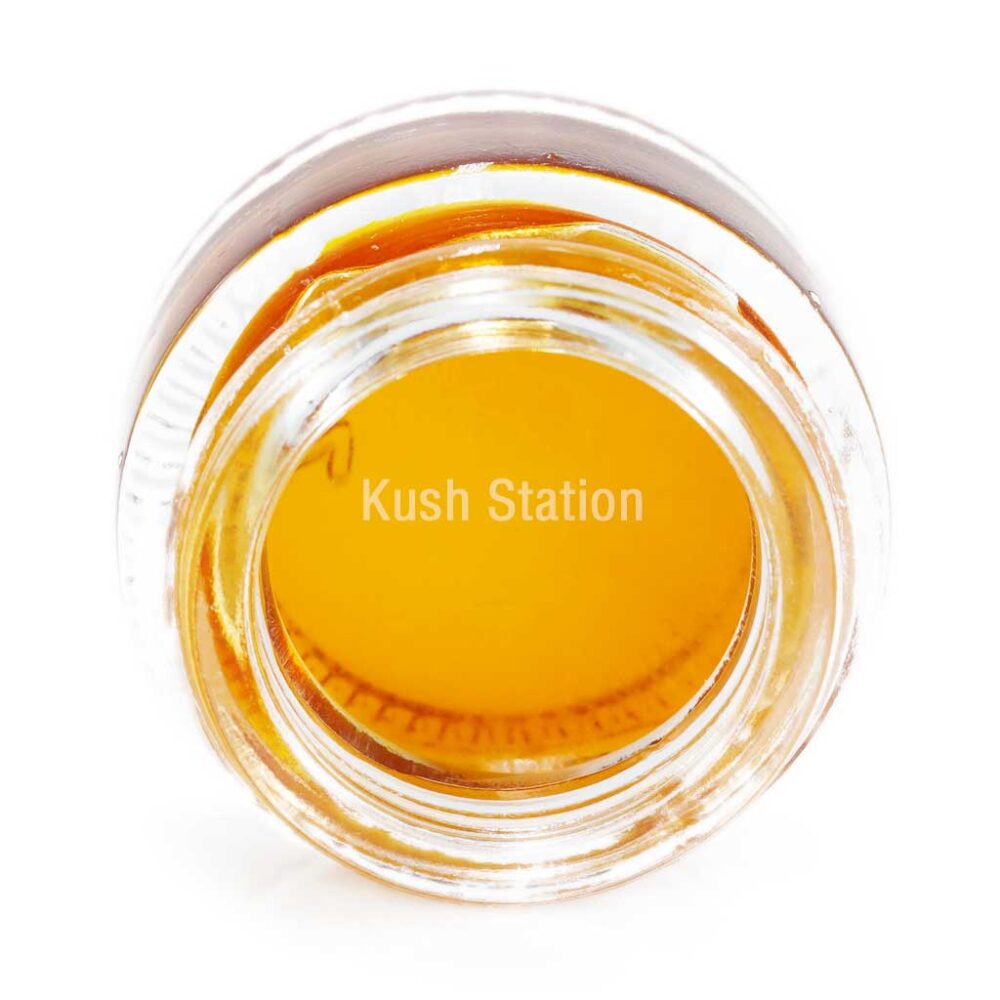
That is where a site like KushStation comes into play. When you look at their listings, each batch of premium honey oil comes with a batch number and a corresponding lab report. You can check the potency, verify the cannabinoid ratios, and see exactly which terpenes are dominant. That level of detail is not just for nerds. It matters for dosing, for predicting effects, and for avoiding the kind of disappointment that comes from buying a product that looks good but hits weak or tastes burnt.
If you have ever bought a concentrate that smelled incredible in the jar but tasted like scorched grass out of your dab rig, you know exactly what I mean. The difference between a well-made honey oil and a mediocre one is not subtle. Lab testing is the only way to guarantee consistency from one purchase to the next, especially when you are buying online and cannot smell or touch the product beforehand.
Strain-Specific Honey Oil and the Entourage Effect
Not all honey oil is the same. Just like with flower, the strain matters. Strain-specific honey oil is extracted from a single cultivar, preserving its unique cannabinoid and terpene ratios. That means you can choose an Indica-dominant oil for deep relaxation and sleep support, a Sativa-heavy oil for daytime focus and energy, or a Hybrid that gives you a balanced middle ground.
The reason this matters goes back to something called the entourage effect. The entourage effect is the idea that cannabinoids and terpenes work together synergistically. THC alone can feel harsh or one-dimensional. But when it is accompanied by the right mix of minor cannabinoids like CBD, CBG, and THCV, and a full spectrum of terpenes, the experience becomes smoother and more nuanced. A strain-specific honey oil that has been lab-tested for its full profile can deliver that synergy in a way that a generic blend never can.
For example, a honey oil made from a high-myrcene Indica strain will have a sedative, earthy profile that pairs well with evening use. A Sativa oil high in limonene and pinene will feel more uplifting and clear-headed. Knowing what you are getting allows you to tailor your experience, whether you are using a dab rig at home or a vaporizer pen on the go.
How to Use Premium Honey Oil
If you are new to concentrates, the first thing to know is that a little goes a long way. Premium honey oil is potent. A single grain-of-rice-sized dab can contain as much THC as an entire joint, depending on the strength. The most common way to consume it is with a dab rig, a specialized water pipe designed for vaporizing concentrates. You heat a quartz or ceramic nail with a torch, let it cool to the right temperature, and then apply the oil with a dab tool. The oil vaporizes instantly, and you inhale the vapor.
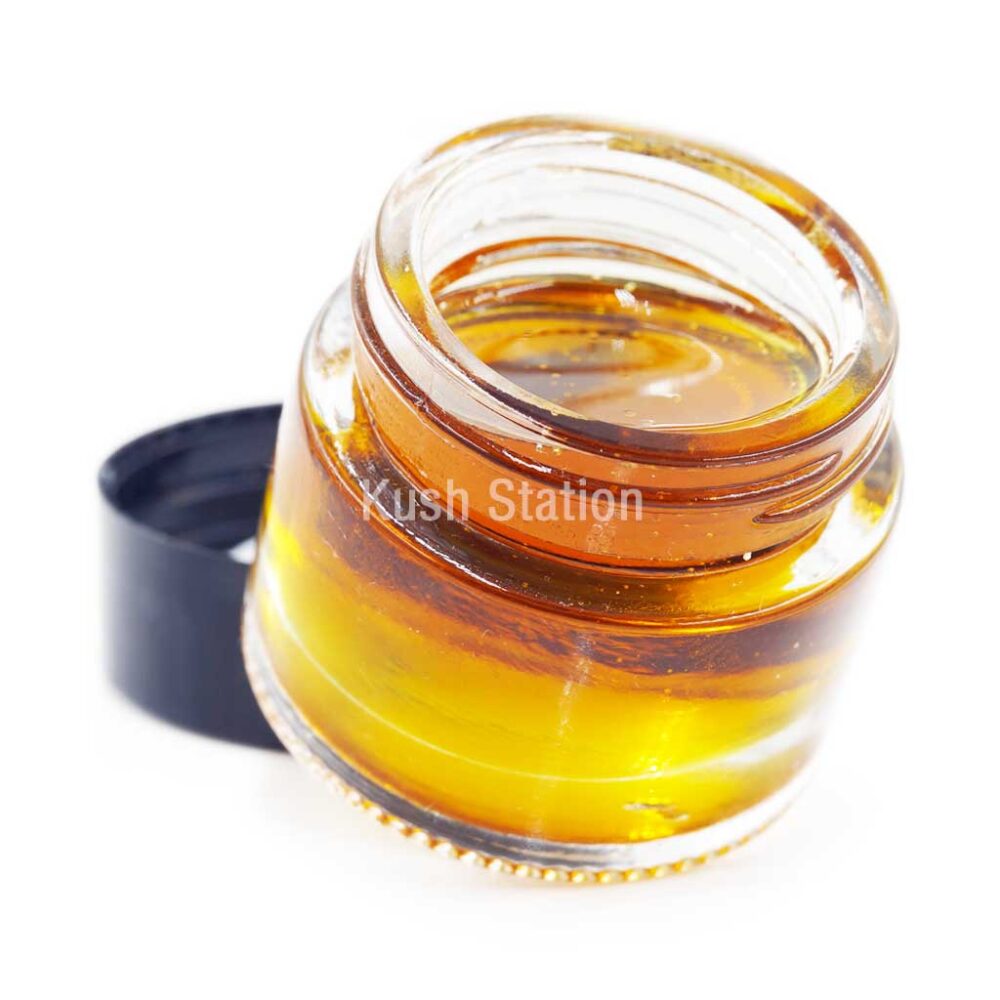
If you prefer something more portable, a vaporizer pen designed for concentrates works well. These devices heat the oil at a lower temperature than a torch and nail, which can preserve more flavor. The trade-off is that the hits are usually smaller and less intense. It is a matter of preference. Some people like the ritual of the dab rig. Others value the convenience of a pen.
A practical detail worth mentioning: premium honey oil is often packaged in a glass syringe. That might seem odd at first, but it is actually the best way to handle a sticky concentrate without wasting any. The glass syringe allows you to dispense precise amounts, and it keeps the oil from drying out or collecting dust. If you buy honey oil in a jar, you will inevitably lose some to the sides of the container. The syringe solves that problem cleanly.
Potency and Dosing Considerations
One of the reasons people gravitate toward premium honey oil is potency. A well-made concentrate can test at 70% to 90% THC, which is far higher than even the strongest flower. That means the effects hit faster and harder. For experienced users, that is exactly the point. For someone with a lower tolerance, it can be overwhelming if they are not careful.
Start with a tiny dab, wait ten minutes, and then decide if you want more. You can always add, but you cannot take it back. And because each batch has a different potency, always check the lab report before you dose. A batch at 75% THC will hit differently than one at 85%, even if the volume is the same.
The flavor profile also changes with potency. Higher-THC oils tend to have a more pronounced cannabinoid taste, which can be slightly peppery or spicy. Lower-THC oils with higher terpene content can taste fruity, floral, or piney depending on the strain. Neither is better, but knowing what you prefer helps you choose the right product for your mood.
Quality Control and What to Look For
Not every jar of honey oil on the market deserves the word premium. A few signs separate the good from the great. First, look for a third-party certificate of analysis. If the seller does not provide one, or if the certificate is from a lab that no one has heard of, be cautious. Second, check the batch number. Reputable producers track every batch and can tell you exactly when it was made, what strain it came from, and what the lab results showed. Third, pay attention to the consistency. Premium honey oil should be stable at room temperature, not runny like water or hard as a rock. It should be easy to handle with a dab tool and should not leave a sticky residue on your fingers that is hard to wash off.
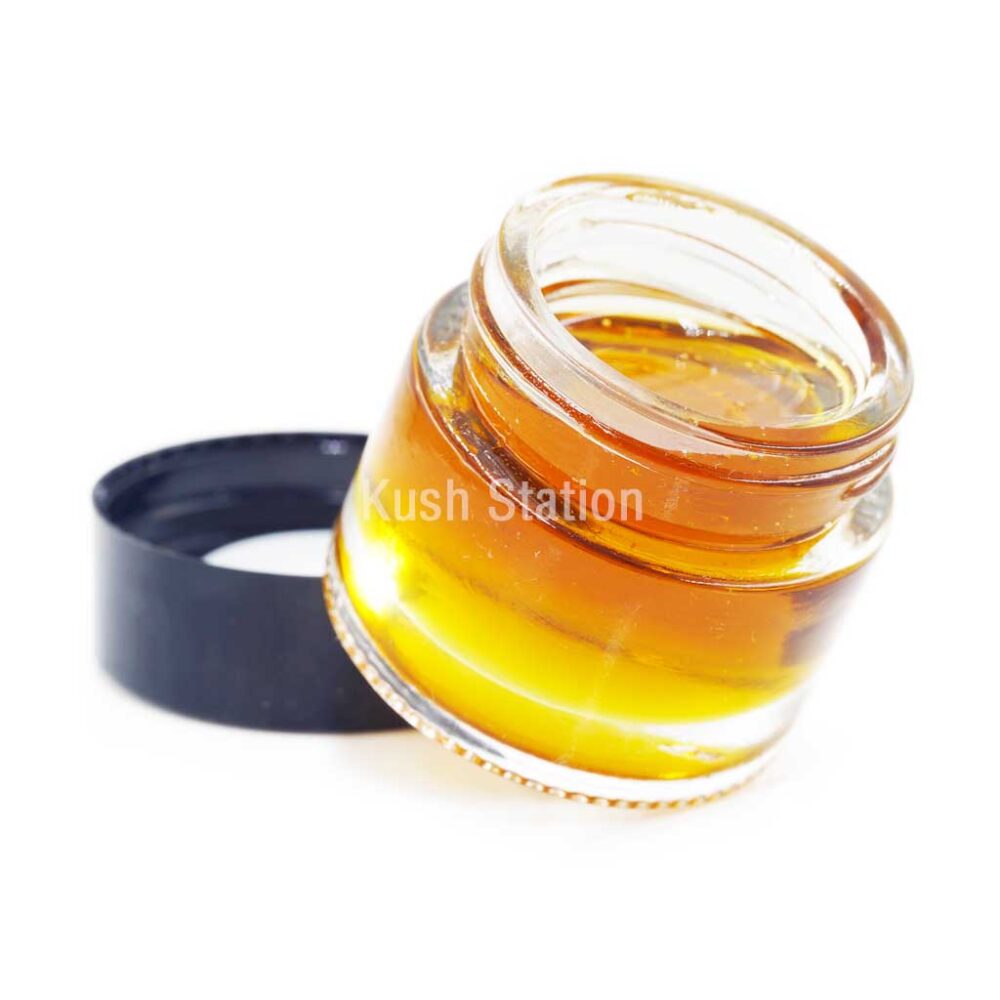
KushStation, for example, lists all of this information on their product pages. You can see the batch number, the potency, the cannabinoid breakdown, and the terpene profile before you buy. That kind of transparency builds trust, especially when you are spending money on something that you cannot inspect in person.
The Bottom Line
Premium honey oil is not a fad. It is the result of better extraction technology, stricter quality standards, and a more educated consumer base. Whether you are a seasoned concentrate user or someone curious about moving beyond flower, it offers a clean, potent, and flavorful experience that is hard to beat. The key is buying from sources that prioritize lab testing, transparency, and strain-specific production. That way, you know exactly what you are getting, and you can enjoy the full benefits of the entourage effect without any guesswork.